

Why you should never share your seed phrase
What a recovery phrase really is, why it's the most powerful secret you own, and how to store it
Twelve or twenty-four ordinary words, scribbled on a card when you set up your wallet, don't look like much. They look like the sort of thing you might photograph so you don't lose it, or paste into a password manager for safekeeping. That instinct is exactly how people lose everything. Your seed phrase is not a backup detail — it is your money, in the most literal sense the technology allows.
What a seed phrase actually is
When you create a self-custody wallet, it generates a random secret and expresses it as a list of words drawn from a fixed dictionary — the seed phrase, also called a recovery phrase or mnemonic. Those words aren't a login or a hint. They are a human-readable encoding of the master key to your wallet.
From that single phrase, your wallet mathematically derives every private key and every address it manages — across accounts and often across multiple blockchains. That's why you can reinstall a wallet app, or set up a brand-new device, type the same twelve words, and watch all your funds reappear. The wallet isn't fetching your money from a server. It's regenerating the keys from the phrase. If it works for you on a new device, it works for anyone else on theirs.

Why sharing it hands over everything
Because the phrase reconstructs your entire wallet, anyone who obtains it can recreate that wallet on their own device and move every asset out — instantly, from anywhere in the world, without needing your phone, your app password, or your permission. There is no second factor standing behind it. The phrase is the top of the chain.
And on a public blockchain, that transfer is final. There is no password reset, no fraud department, no support line that can claw the funds back, no chargeback. The same property that makes self-custody powerful — that no company can freeze or seize your coins — means no company can rescue them either. This is why the rule is absolute rather than cautious: never type your seed phrase into any website, app, chat, email, or form, for any reason.
Not for a giveaway. Not to "validate" or "sync" your wallet. Not to claim an airdrop. Not because a helpful "support agent" asked. Every one of those is a scam, without exception, because no legitimate service ever needs those words — and recognising that request for what it is defeats most of the tricks in our guide to spotting crypto scams. A real wallet asks for your phrase in exactly one situation: when you choose to restore a wallet, inside the wallet app itself, on your own device.
Seed phrase vs private key vs password
These three get blurred together, and the confusion is dangerous. They protect very different things:
- Seed phrase — the master secret. Recreates your entire wallet, every account and address. Guard this above all else.
- Private key — controls one specific account or address. Also secret and also sufficient to move that account's funds, but narrower than the full phrase.
- App password / PIN — protects the wallet app on this device only. It stops someone who grabs your unlocked phone, but it does not replace the seed phrase. Anyone with the phrase can bypass the password entirely by restoring the wallet elsewhere.
The practical lesson: a strong app password is good hygiene, but it guards the door to one house. The seed phrase is the deed to the whole property.
How to store it properly
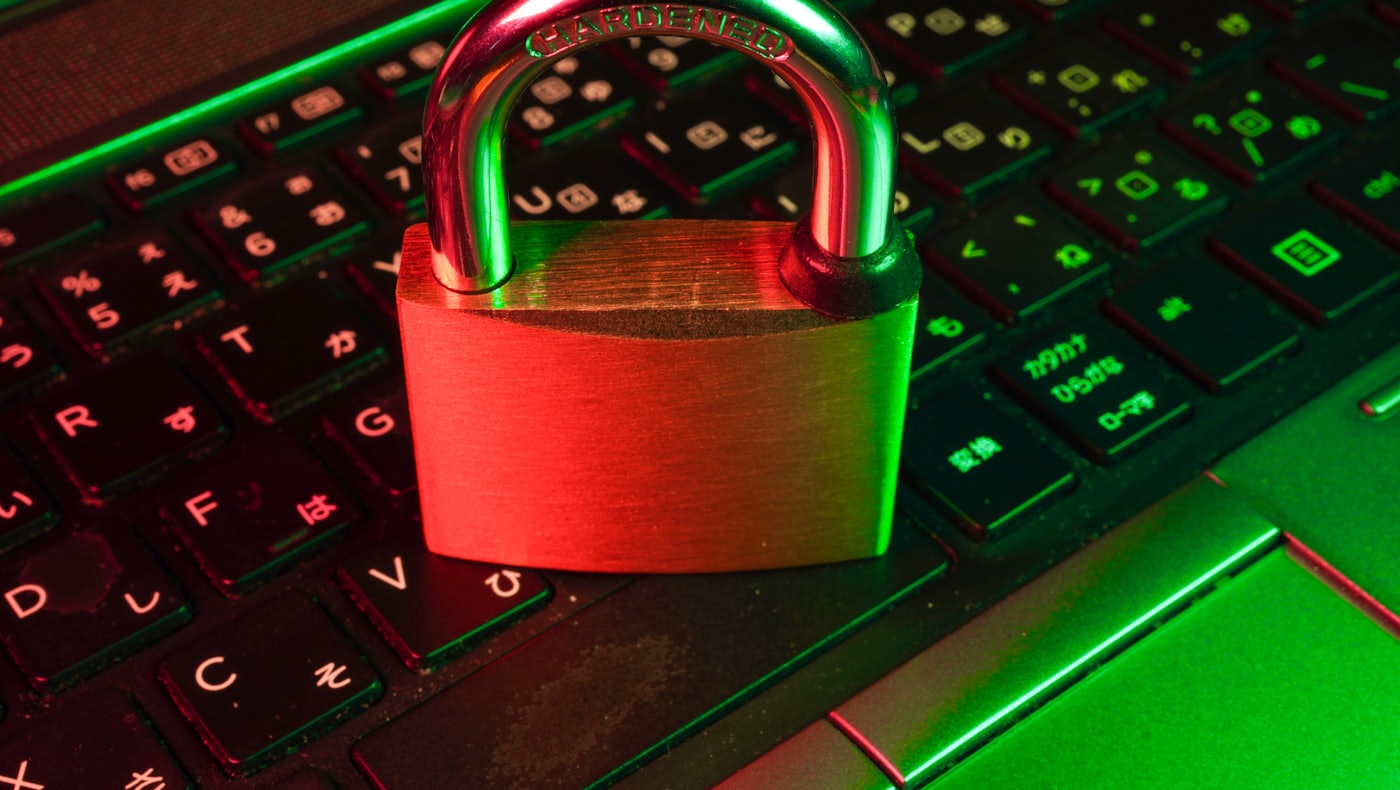
The goal is simple to state: keep the phrase offline, durable, and private. Everything below follows from that.
- Write it by hand, on paper or metal. The moment the phrase exists only offline, the entire universe of remote attackers is locked out. They can't phish what isn't on a connected device.
- Never store it as a photo, screenshot, cloud note, email, or password-manager entry. Anything that touches an internet-connected service can be breached, synced, or scraped by malware. A screenshot is the single most common way phrases leak.
- Keep a second backup in a separate safe location. Paper burns and floods. A duplicate in another place protects against losing the original to an accident rather than a thief.
- Consider a metal backup stamped or engraved on steel if you hold meaningful amounts — it survives fire and water that would destroy paper.
- Split the phrase's storage if you're advanced, but only if you fully understand the recovery implications; a clever scheme you can't reconstruct later is just a slower way to lose funds.
Common mistakes that quietly expose a phrase
- "I'll just take a quick photo for now." That photo syncs to the cloud within seconds and often stays there for years.
- Typing it to test a wallet. Restoring into an unfamiliar or fake app is a classic drain. Only ever restore into a wallet you chose and reached through your own bookmark.
- Storing it in a notes or password app "temporarily." Temporary storage has a way of becoming permanent, and it's online the whole time.
- Telling one trusted person "in case something happens." Every additional human who knows the phrase is an additional way it can leak, be coerced, or be mishandled. Plan inheritance deliberately, not casually.
- Reusing an exposed phrase. If anyone may have seen it, the wallet is compromised forever, not just today.
If your phrase is ever exposed
Act immediately, not eventually. Create a brand-new wallet with a fresh recovery phrase, and move all funds from the potentially compromised wallet to the new one right away. Do not "keep an eye on it" — a compromised phrase can be drained at any second, and attackers often wait for a balance to grow before striking. Once the funds are safely moved, retire the old phrase entirely and never use that wallet again. If you want the freshly created wallet on a device that keeps your keys offline from the start, weigh the options in choosing a wallet.
Quick answers
Can I store my seed phrase in a password manager? It's far safer than a plain note, but it's still online and syncing, which reintroduces exactly the remote-attack risk offline storage removes. For anything meaningful, keep the phrase on paper or metal instead.
Is it safe to give my phrase to wallet support? No — never. Legitimate support never needs it and will never ask. Anyone requesting it, in any channel, is trying to steal your wallet.
What's the difference between my address and my seed phrase? Your address is public and safe to share to receive funds. Your seed phrase is the master secret that controls those funds. Never confuse the two.
Does a hardware wallet mean I can ignore all this? A hardware wallet keeps your keys off internet-connected devices, which is a big upgrade — but it still generates a seed phrase during setup, and that phrase carries all the same power and all the same rules. Protect it identically.
The takeaway
A recovery phrase is small, boring-looking, and more valuable than anything else in your wallet, because it is your wallet. Whoever holds it holds the funds, and on a blockchain there's no one to appeal to when they move them. So keep it offline, write it by hand, back it up in a second safe place, and never — under any pretext — type it into a screen. Treat those words like the keys to a vault that can't be re-keyed, because that is exactly what they are. Every other habit in wallet security builds on this one.